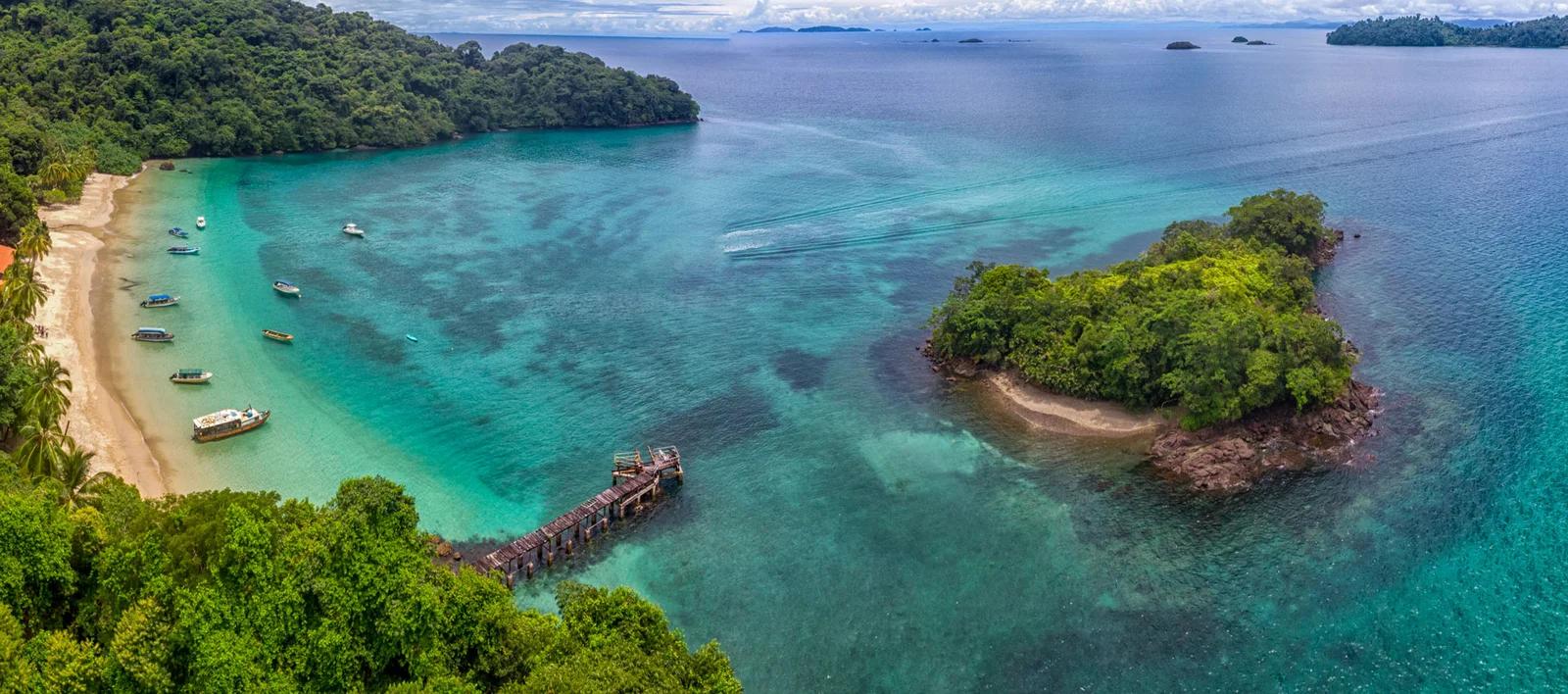
Panama's tourism surge in 2025 is outpacing Costa Rica, signaling a shift in Central America as travelers favor Panama's connectivity, safety, and culture.
The landscape of Central American tourism is witnessing a significant shift. According to a recent report by the Tico Times, Panama’s aggressive capture of the regional market is putting traditional powerhouses on notice, presenting a new narrative of growth in a region traditionally led by its neighbors.
Panama’s Record-Breaking Performance
In 2025, Panama reached a major milestone, welcoming 3,004,266 international visitors. This represents a robust 8.2% increase from the previous year. The growth was consistent across all entry points:
- Air Travel: Tocumen International Airport saw arrivals jump 10%, reaching over 2.2 million travelers.
- Cruise Sector: Passenger numbers rose by 11.5% to more than 344,000 visitors.
- Economic Impact: This surge pushed tourism revenue to $6.583 billion, a 9.7% increase, while overnight stays grew by 11%.
Panama Tourism Authority officials attribute this success to enhanced regional promotion and improved air connectivity, encouraging longer stays and higher spending.
Comparative Growth in the Region
While Panama experienced record growth, Costa Rica saw a more modest 1% increase in air arrivals, totaling 2,689,278 visitors in 2025. This rate trails the global tourism expansion average of 5% and falls behind other regional neighbors such as Guatemala (10%), Mexico (6%), and Colombia (4%).
Several factors have been identified as contributors to this slower pace, including a stronger local currency driving up costs for international travelers, infrastructure limitations, and evolving safety perceptions.
Strategic Advantages and Future Outlook
Panama’s growth is bolstered by several structural advantages. As a dollarized economy, it offers a level of price stability and familiarity for international investors and travelers. Additionally, Panama City provides a unique urban-to-adventure ratio; unlike other regional hubs where travelers often depart immediately for the coast, Panama City acts as a destination in its own right, offering high-end cultural experiences, world-class dining, and proximity to nature within the city limits.
In response to these shifting dynamics, neighboring strategies are being recalibrated with a focus on 2035, aiming to upgrade national parks and emphasize local culinary offerings to regain momentum.
The current data reflects a changing game in Central American travel, where infrastructure, price balance, and a diverse urban-nature product are becoming the primary drivers of success.
Welcome to Panama. Welcome home.